
Fernwayer's Things to Do in Sardinia
Sardinia, Italy, holds tight to its villages, landscapes, and living traditions. The things to do here unfold through cultural events, heritage-focused encounters, photography experiences, and limited-access celebrations such as Carnevale.
Sardinia is often approached as a beach destination, yet its defining character lies in the relationship between landscape, traditions, and daily life. Our experiences invite you to connect with the island’s authentic heart. Explore the rugged beauty of Supramonte, where hidden caves and verdant valleys whisper tales of shepherds and bandits. Visit lesser-known villages like Cuglieri to explore diverse nature alongside a botanist, or wander through the granite mountains with a local photographer in search of bizarre rock formations that resemble fantastic creatures. While immersing in the vibrant traditions of towns like Bosa, listening to the haunting harmonies of a coro a tasgia in Gallura, or diving into the whirlwind of the Carnevale in Santu Lussurgiu, you connect with the island’s ongoing traditions and shared practices rather than isolated highlights. What makes Fernwayer’s experiences distinctive is the way they are rooted in relationships. You explore Sardinia alongside photographers, artisans, and community members who belong to the places you visit and can offer a grounded way to understand the island, built on knowledge, trust, and shared perspective.
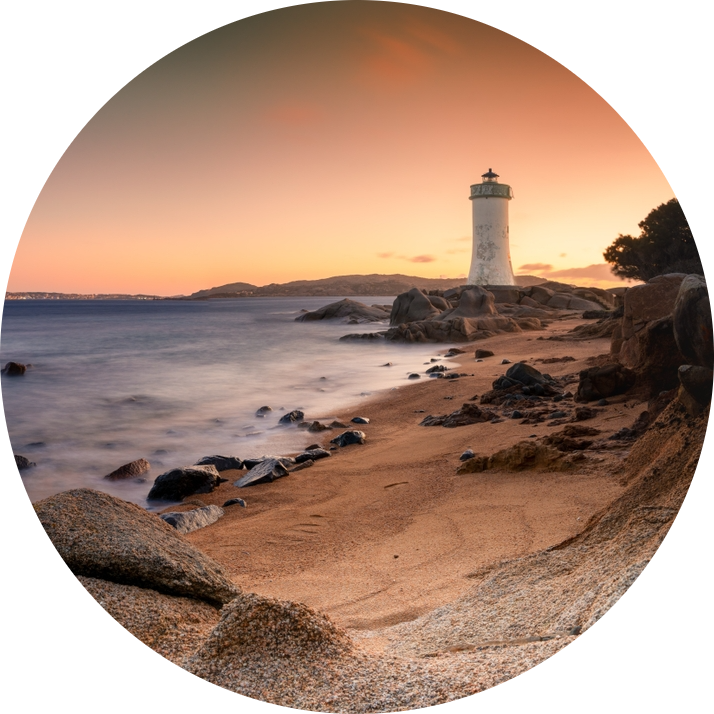
FERNWAYER'S SARDINIA ESSENTIALS
We’ve curated a selection of essential experiences that introduce Sardinia through its most meaningful traditions, landscapes, and cultural expressions. These are the experiences that reveal what lies beyond the expected, offering an entry point into the island’s deeper cultural life.
Our essentials bring you into the heart of local rituals, from witnessing the dressing of Mamuthones and Issohadores before the Carnevale parade in Mamoiada to joining a village community at dawn for Easter celebrations. You might walk among vineyards built around an ancient nuraghe, tasting wines with a young producer at his table, or explore the Ogliastra Blue Zone through stories of longevity and daily life. Along the way, you’ll meet knife makers in Dorgali, discover the art of filigree, experience a private performance of a tasgia choir in Gallura, and spend time in the landscapes and communities of the Orosei coast, where nature, memory, and tradition remain closely intertwined.
Explore our essential Sardinia tours below or see all Sardinia experiences here.
MAKE THE MOST OF YOUR TIME
Fernwayer’s Sardinia Journeys — suggested itineraries, designed by us, booked by you — are anchored in our curated experiences.
If you want to dedicate a full day of your stay to understanding one of Sardinia’s defining cultures, the Ogliastra Blue Zone is a natural starting point.
The Human Edit
Need help planning your trip? A Fernwayer curator takes your preferences and designs a custom travel itinerary that works. This is human-led travel planning — by someone who understands the art of travel itinerary design — built around your dates and preferences. Each personalized itinerary uses Fernwayer experiences as anchors and complements them with recommendations for flights, hotels, restaurants, and self-explore ideas.
FOLLOW YOUR PASSIONS
From ancient rituals to wild landscapes, Sardinia offers experiences that speak to travelers interested in culture as something still lived and practiced. You might explore festivals and everyday life through photography experiences led by professional photographers, gaining perspectives that go beyond conventional guides. For those drawn to questions of longevity and lifestyle, the Blue Zone of Ogliastra opens a window onto habits, relationships, and traditions that continue to define community life. Seasonal celebrations such as Carnevale and Easter rituals connect contemporary Sardinia to ancient ideas of nature, fertility, and collective identity.
Photography Tours in Sardinia
Sardinia’s landscapes change dramatically from coast to inland, from volcanic plateaus to medieval towns, making photography a natural way to explore the island. Light, scale, and human presence interact constantly, whether you are shooting at dusk in Bosa, or documenting ritual moments such as the horse race of the Santu Lussurgiu carnival. Inland, photography follows shepherds’ paths through the Supramonte, shaped by caves and ancient trails, explores the open routes of Monte Pulchiana, or searches for stone figures on Monte Limbara. Fernwayer’s photography experiences are led by local professional photographers who offer rare access and contextual insight that go beyond technique.
Sardinia's Natural Wonders
Sardinia’s identity is deeply tied to its landscapes, which extend far beyond its coastline into forests, cliffs, and mountains shaped over millennia. Exploring these environments helps you understand how nature has influenced local life and traditions. Fernwayer’s nature experiences range from sunset walks along the cliffs of Capo Nieddu to botanical explorations in Cuglieri led by a local botanist. Other routes cross the forests and rock formations of Monte Pulchiana or climb Monte Limbara, where granite takes on unexpected shapes. What sets these experiences apart is their guided interpretation, combining natural observation, local knowledge, and access to routes chosen for their environmental and cultural significance rather than spectacle alone.
Sardinia's Blue Zone: The Land of Longevity
Sardinia is one of the world’s recognized Blue Zones, where exceptional longevity is linked to geography, daily habits, and strong community ties. This reality is most visible in inland areas such as Ogliastra, Barbagia, and Gallura, where walking remains part of everyday life, food traditions are deeply rooted, and social rituals continue across generations. Fernwayer’s Blue Zone experiences focus on understanding how landscape, culture, and routine intersect, through walks on ancient paths, visits to small villages, and encounters centered on music, food, and local customs such as tenor singing. Rather than presenting longevity as an abstract concept, these experiences offer grounded insight into how it is lived and sustained today.
The Art of Sardinian Craft: A Living Heritage
Sardinia’s craft traditions are a key expression of the island’s cultural identity, shaped by long standing skills, social roles, and the transmission of knowledge across generations. In Dorgali, this heritage lives on in filigree jewelry and knife making, where precision and symbolism matter as much as technique. In Gallura, cork craftsmanship reflects a deep familiarity with local materials and seasonal rhythms. In Cagliari, a family of master bookbinders opens its workshop to those who want to create a handmade travel diary using traditional methods. Fernwayer’s craft experiences focus on direct encounters with working artisans, offering access to active workshops and practices that are still part of everyday life.
FESTIVALS AND EVENTS
Fernwayer has curated a series of exclusive once-a-year experiences that offer rare access to the biggest cultural festivals.
Journey into the heart of Sardinia's cultural heritage and witness the vibrant traditions that have shaped the island for centuries. Our exclusive festival experiences offer a rare glimpse into the soul of Sardinia.
Carnival in Sardinia: Unveiling Ancient Traditions
Sardinia’s Carnival offers a raw, deeply symbolic experience rooted in ancient rituals. Fernwayer invites you to join Sardinia’s most compelling celebrations , offering rare behind-the-scenes access and inside-the-parade perspectives. In Ottana, the rhythmic dance of the Boes and Merdules evokes a primal connection to the land and its people. In Mamoiada, the streets come alive with the vibrant energy of the Mamuthones and Issohadores. In Santu Lussurgiu, the carnival explodes in a wild horseback race through the narrow streets of the historic centre. In Tempio Pausania, allegorical and satirical parades fill the streets with colour, music, and sharp humour, turning the town into a stage for creativity and social commentary.
Easter Traditions in Sardinia: A Celebration of Culture and Faith
Easter in Sardinia is marked by solemn processions and rituals that reflect centuries of local history and collective participation. In Cuglieri, the Good Friday procession moves through the historic streets with carved religious effigies carried in silence by the faithful. In Bosa, Easter Sunday begins at dawn with a procession that brings together traditional dress, candles, and long-standing customs, as the town slowly comes to life. In Castelsardo, the Lunissanti celebration unfolds at night, with white-robed choirs, torchlight, and chants filling the medieval streets in a ritual that blends faith, music, and atmosphere. These events take place on fixed dates once a year. Fernwayer’s experiences provide access to the local community during the rituals, led by locals who offer context and insight.
ISLAND GUIDE
Choosing where to stay in Sardinia shapes the pace and logic of your trip. Distances are wider than they appear, and the island’s diversity makes location a key decision from the start. Public transport is limited outside major cities, so renting a car is essential if you plan to explore inland areas or less accessible coastlines. Cagliari works as the main transport hub, while other areas are better approached as focused stays rather than day trips. Where to stay? If you want services, dining options, and easy logistics, Cagliari offers the widest choice and the best connections. The surrounding Campidano plain allows you to combine city life with countryside landscapes and nearby wetlands. Inland areas such as Barbagia and Logudoro suit travelers interested in traditions, rural culture, and slower rhythms. Sinis combines wetlands and archaeological sites shaped by centuries of settlement, Ogliastra connects mountains, villages, and long established craft traditions with a rugged natural landscape, while Gallura balances rural granite interiors with a more structured tourism infrastructure. Each area has a distinct character and works best as part of a thoughtfully planned route. For more area specific guidance, explore the sections below.
Sardinia Key Areas Guide

Cagliari and Campidano
Cagliari is the island’s main city and the most practical base for first time visitors. It offers a wide range of accommodations, restaurants, and services, and it is where urban life is most visible year round. Staying here makes sense if you want to combine cultural visits, food experiences, and easy access to the southern coast. Campidano, the fertile plain surrounding the city, connects Cagliari to inland villages, farms, and wetlands. From here, day trips are straightforward, and distances are manageable. This area is well suited if you want flexibility and a balance between city life and countryside. Recommened experience: Hand-Stiched Travel Memories.

Sinis
The Sinis peninsula is defined by wide open landscapes, lagoons, and an unusual mix of archaeology and nature. This is a good area to stay if you prefer quiet surroundings and direct contact with the environment. Local life revolves around fishing, farming, and seasonal rhythms. Beaches here are windswept and raw, very different from the postcard image of Sardinia. Sinis is also close to important archaeological sites, making it appealing for travelers interested in ancient history. A car is necessary, and evenings are calm and local. An experience in this area typically combines walking through natural landscapes with historical context, helping you understand how people have lived here for centuries.

Barbagia
Barbagia sits at the heart of Sardinia and is one of the most culturally distinctive areas of the island. Staying here means accepting fewer comforts in exchange for depth and authenticity. Villages are small, traditions are still practiced, and the relationship between people and land is strong. This area is best suited if you are curious about pastoral culture, food traditions, and social rituals that have changed little over time. Distances are longer and roads slower, so planning is important. Barbagia works well as a focused stop rather than a base for day trips. Experiences here often revolve around craft, food, and community life, offering insight into Sardinia’s inland identity. Recommended experience: The Nuraghe Among The Vines.

Ogliastra
Ogliastra stretches between mountains and sea, with dramatic landscapes and some of the island’s most striking coastlines. It is ideal if you want outdoor activities combined with small village life. This area feels remote, which appeals to travelers seeking nature and space. Villages are scattered, and services are limited, so having a car is essential. Ogliastra suits travelers who enjoy hiking, coastal exploration, and craft. Recommended experience: Blue Zone Secrets of Ogliastra.

Logudoro and Montiferru
Logudoro and Montiferru form a broad inland area in the north west, characterized by volcanic landscapes, farming traditions, and small historic towns. This is a good area if you want to explore a less visited side of Sardinia, away from the main coastal routes. Staying in this area works best for travelers interested in rural architecture, local products, and historical layers that are not immediately visible. It is not a nightlife destination, but it offers strong cultural continuity. Experiences in this area often focus on nature, craftsmanship, food production, and the relationship between landscape and history. Recommended experience: Twilight Over Bosa.

Gallura
Gallura is best known for its coastline, but inland it has a distinct identity shaped by granite landscapes, scattered rural settlements, and historic towns. Staying here makes sense if you want access to beaches while still exploring cultural aspects of northern Sardinia. Gallura works well as a base if you want to combine sea time with short inland excursions. It is also well connected by roads and ports. Experiences here often balance nature, food, and local traditions. Recommended experience: A Choir in Gallura.
FREQUENTLY ASKED QUESTIONS
This FAQ offers practical guidance for planning a trip to Sardinia, from how to get there by air or sea to choosing the right area to base yourself depending on your interests. It covers how to move around the island, the best times to visit to avoid crowds, and what to expect when exploring rural areas, beaches, or inland regions.
Where should I base myself — and why? Sardinia does not work like a single-city destination. Where you stay should depend on what you want to experience. Coastal areas are ideal if your focus is on nature and the sea, while inland villages offer a deeper connection with local traditions, food, and everyday life. Cagliari works well as a first base thanks to its airport and services, but many travelers choose to split their stay between two areas, pairing the coast with the interior to experience different sides of the island.
How do I get to Sardinia? Most international travelers arrive by plane. Sardinia has three main airports: Cagliari in the south, Olbia in the northeast, and Alghero in the northwest. From the United States, flights usually connect through major European hubs such as Rome, Milan, Paris, or Frankfurt. Ferries are also available from mainland Italy and southern France, but they are generally used by travelers already in Europe rather than long-haul visitors.
How do I move around effortlessly? Renting a car is the most practical way to explore Sardinia, especially if you plan to visit inland areas, small villages, or natural sites. Public transportation exists but is limited outside major towns and coastal routes. Distances may look short on a map, but travel times can be longer due to winding roads, particularly in the interior.
How much time do I need in Sardinia? A week allows you to experience one or two areas without rushing. With ten days or more, you can explore multiple regions, combining coast, interior, and cultural experiences. Sardinia rewards slow travel more than quick highlights.
How far ahead do I need to book restaurants? In larger towns and popular coastal areas, booking restaurants a few days in advance is recommended in high season. In smaller villages, dining is often more spontaneous, but availability can be limited simply because there are fewer places. During festivals, summer weekends, or holiday periods, planning ahead is advisable.
Is Sardinia crowded in summer everywhere? Crowds concentrate mainly along well known coastal areas during July and August. Inland regions, smaller villages, and mountain areas remain noticeably calmer, even in peak season. Choosing experiences away from the main beach destinations allows you to experience a different rhythm of the island, one shaped more by daily life and seasonal traditions than by mass tourism.
When should I visit to avoid crowds? Late spring and early fall are ideal. May, June, September, and early October offer warm weather, fewer visitors, and a slower pace. July and August are the busiest months, especially along the coast, with higher prices and heavier traffic. Many cultural events and local festivals take place outside peak summer, offering a more balanced experience.
How far in advance should I book festivals? Experiences connected to festivals, seasonal rituals, or limited access should be booked well in advance, often several months ahead. Events such as Carnevale or Easter celebrations have fixed dates and limited capacity, and availability fills quickly.
Is Sardinia suitable for first-time visitors to Italy? Yes, but it feels very different from mainland Italy. Sardinia has its own rhythms, traditions, and landscapes. Travelers looking for iconic cities and fast-paced sightseeing may find it surprising, while those interested in nature, heritage, and local culture often find it deeply rewarding.
Can I combine Sardinia with other Italian destinations easily? Yes. Sardinia is well connected to mainland Italy by frequent flights, especially to Rome and Milan, and by ferries linking the island to ports such as Naples, Civitavecchia, and Genoa. This makes it possible to combine Sardinia with cities like Rome or Naples, or to continue south toward Sicily, without complex logistics.
Is Sardinia a good destination for hiking and trekking? Sardinia offers excellent opportunities for hiking, especially for travelers interested in landscapes shaped by time rather than extreme elevation. Many routes pass through coastal paths, mountain interiors, ancient trails, and rural areas where walking connects nature, archaeology, and everyday life. Treks range from gentle walks to more demanding hikes, often far from crowded areas. Guided hikes are recommended if you want context, access to lesser-known routes, and a deeper understanding of the territory rather than just following marked paths.
Is Sardinia family friendly or better suited to adults? Sardinia works well for both, depending on the area and type of experience. Coastal zones with short distances and calm beaches are well suited to families, while inland and cultural experiences often appeal more to adults interested in history, rituals, food, or trekking. Some experiences require sustained walking or long days and are better suited to older teenagers or adults.
What is the best time of year for trekking and inland exploration? Spring and fall are ideal for trekking and inland exploration. From March to June and from late September to early November, temperatures are mild and landscapes are at their most expressive. Summer is better suited to coastal activities, as inland areas can become very hot, especially during long walks. Winter is quieter and atmospheric but better for short walks rather than extended trekking, depending on weather and altitude.
How physically demanding are trekking experiences? Trekking experiences in Sardinia vary widely in difficulty. Some walks follow ancient paths through villages, farmland, and gentle hills and are suitable for anyone with a basic level of fitness. Others involve longer distances, uneven terrain, or coastal sections with elevation changes. What makes the difference is not only distance but heat, exposure, and surface. All of our trekking experiences clearly specify terrain type, level of difficulty, duration, and suggested clothing, so you can assess what suits you best before booking.
DISCOVER MORE OF ITALY
Explore Italy, city by city – curated private day tours and insider-led experiences in Venice, Milan, Florence, Rome, Naples, Sicily, Trieste, and Sardinia.
New Experiences Every Month!
We travel the world in search of transformative experiences outside the beaten paths. Subscribe to our newsletter to be among the first to know about new, exciting experiences around the globe.
FROM THE JOURNAL
Get ready for your next trip with long-form features from our travel and culture journal, Wayer. Read how Venetian artisans are reviving centuries-old crafts in Handmade in Venice; follow this year’s unmissable trends with Why Visit Now: Venice; and trace the roots of travel in Italy’s Grand Tour: Venice, Florence & Rome. These pieces blend history, living tradition, and practical insight — ideal pre-travel reading.
FERNWAYER
We are reimagining luxury in travel as authentic connection, immersive storytelling, rare access, and a spirit of curiosity through curated, exclusive, and hard-to-arrange experiences.